


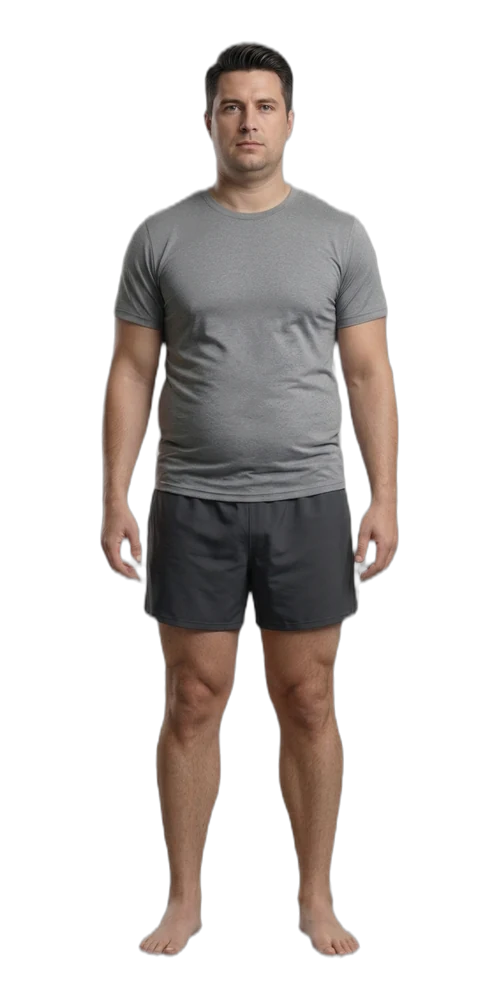
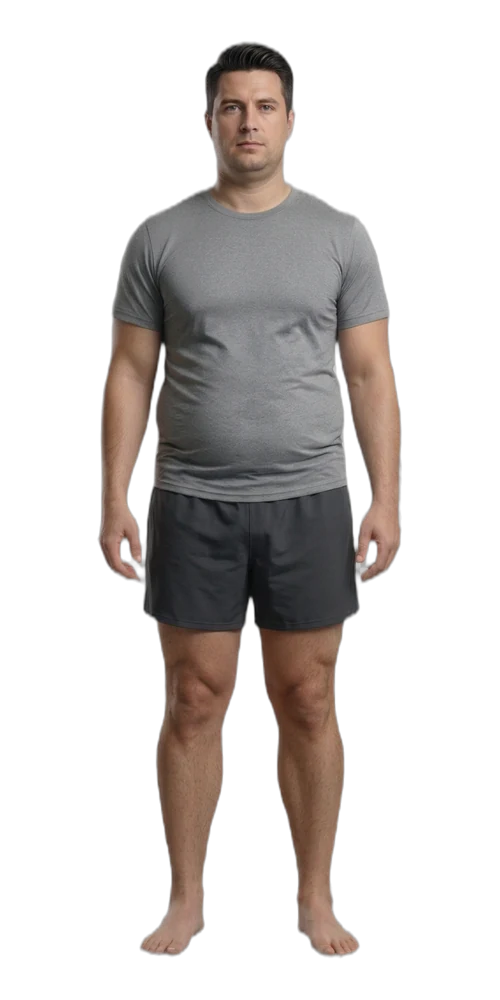
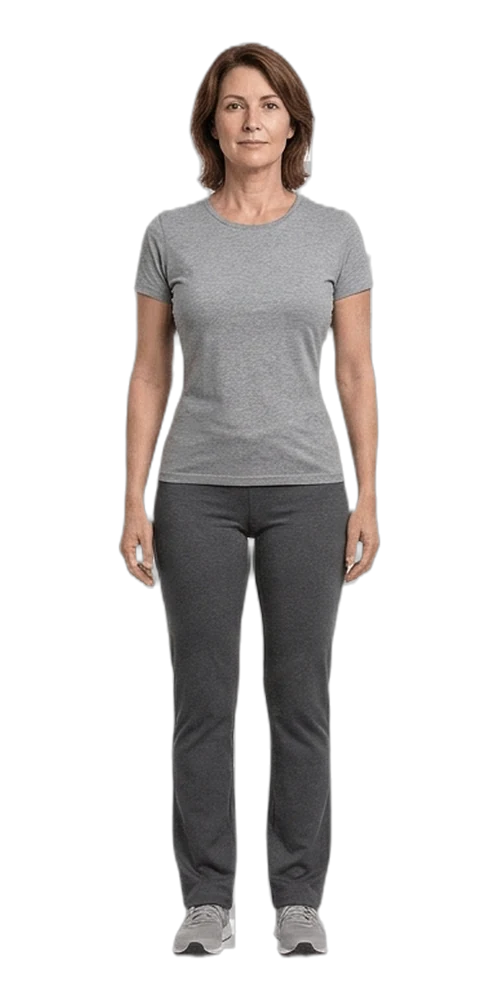
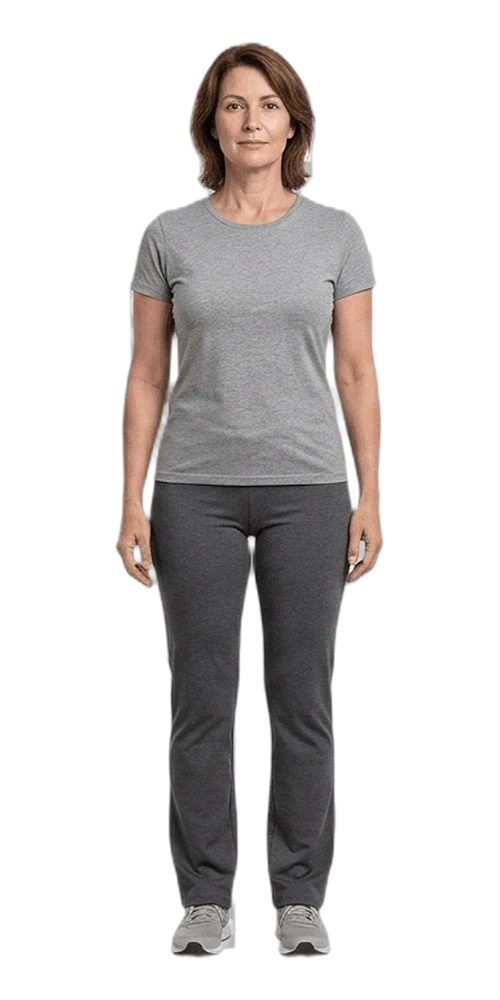
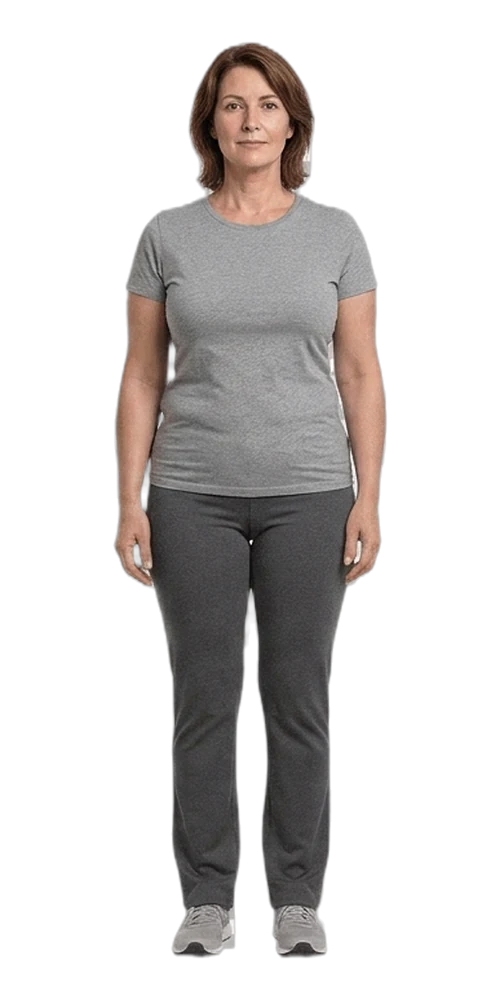
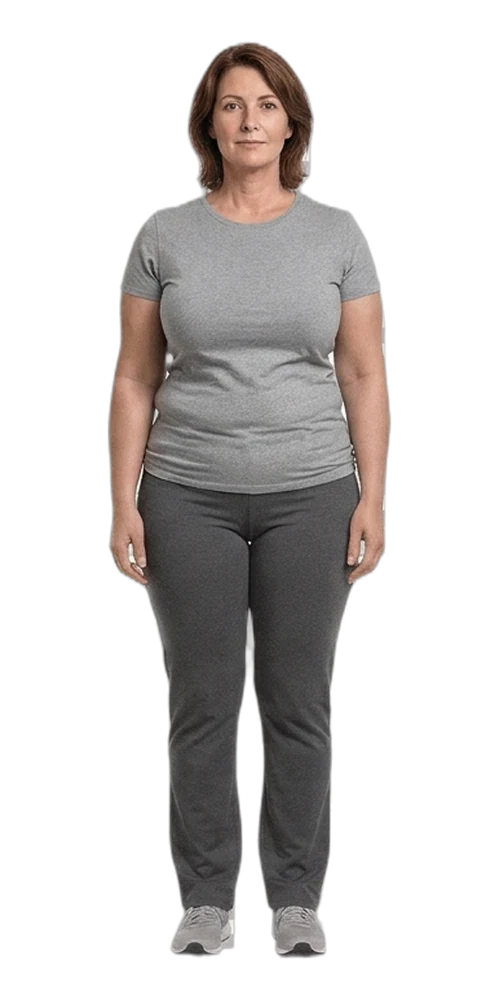
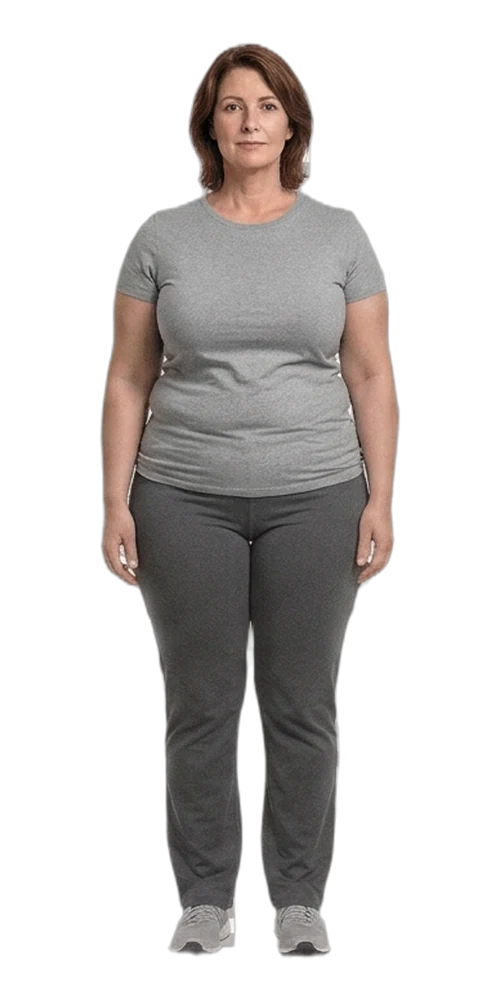
Standard Adult BMI Ranges and Categories (WHO Guidelines)
The World Health Organization (WHO) establishes internationally standardized BMI ranges to categorize body mass across adult populations. These benchmarks help healthcare professionals rapidly screen for potential nutritional deficiencies, overweight, and obesity risks.
Minimal body mass
Optimal health range
Pre-obesity stage
Elevated clinical risk
| BMI Category | BMI Range (kg/m²) | Health & Risk Context |
|---|---|---|
| Severe Thinness | < 16.0 | Substantial risk of nutrient deficiency, immune dysfunction, and bone demineralization. |
| Moderate Thinness | 16.0 – 16.9 | Increased vulnerability to fatigue, electrolyte imbalance, and loss of muscle mass. |
| Mild Thinness | 17.0 – 18.4 | Marginal underweight threshold; clinical guidance advises reviewing caloric and nutrient intake. |
| Normal (Healthy Weight) | 18.5 – 24.9 | Lowest statistical correlation with weight-related chronic conditions and cardiovascular disease. |
| Overweight (Pre-obese) | 25.0 – 29.9 | Moderate elevation in long-term risk for hypertension, dyslipidemia, and metabolic syndrome. |
| Obesity Class I | 30.0 – 34.9 | High risk of developing type 2 diabetes, coronary artery disease, and osteoarticular stress. |
| Obesity Class II | 35.0 – 39.9 | Very high risk of severe cardiovascular events, sleep apnea, and reduced metabolic tolerance. |
| Obesity Class III | ≥ 40.0 | Extremely high clinical risk (often termed severe or morbid obesity); warrants medical intervention. |
What Is BMI and How Does the BMI Calculator Work?
BMI meaning: BMI stands for Body Mass Index, an anthropometric ratio devised in the 1830s by Belgian astronomer, mathematician, and statistician Adolphe Quetelet. Quetelet observed that across normal adults, body weight increases in proportion to the square of stature. Consequently, the index measures your body weight relative to your height squared.
Our online BMI calculator provides an instant, interactive implementation of this calculation. Once you enter your standing height and current weight in either the metric or imperial tab, the calculator immediately executes the standard formula, plots your exact numerical score on the color-coded BMI scale, and updates the dynamic marker on the BMI chart below.
To bridge the gap between abstract numbers and realistic physical proportions, the integrated body visualizer displays calibrated human figures corresponding to each weight class. Users can toggle between the female body visualizer and body visualizer male models to observe how different BMI stages reflect on female and male silhouettes alongside head and ground reference lines.
How to Calculate BMI: The Mathematical Formulas
Understanding how is BMI calculated allows you to verify your personal numbers manually. Because units of measurement vary by region, two distinct formulas exist for calculate BMI queries: the international metric equation and the imperial conversion equation.
Metric BMI Formula (kg/m²)
SI StandardTo calculate using the metric system:
- Measure your barefoot standing height in centimeters and convert to meters (e.g., 175 cm = 1.75 m).
- Multiply your height by itself: 1.75 × 1.75 = 3.0625 m².
- Divide your weight in kilograms by this square: 70 kg / 3.0625 = 22.86 kg/m².
Need to convert your stature first? Use our Height Converter for fast cm to ft/in transformations.
Imperial BMI Formula (lbs & in)
US CustomaryTo calculate using feet, inches, and pounds:
- Convert your height into total inches (e.g., 5 ft 9 in = 5 × 12 + 9 = 69 in).
- Square your height in inches: 69 × 69 = 4,761 in².
- Multiply your weight by the 703 conversion factor: 154 lbs × 703 = 108,262.
- Divide by the squared inches: 108,262 / 4,761 = 22.74 kg/m².
How to Read and Interpret the BMI Chart
While a calculator produces a single numerical value, a BMI chart provides a comprehensive two-dimensional panoramic view of body composition thresholds. It maps your standing stature against body mass, helping you visualize where you currently stand and how weight shifts would move you across classification boundaries.
Navigating the 2D Coordinate Grid
- Vertical Axis (Y-Axis): Displays standing height in centimeters (metric mode) or feet and inches (imperial mode). If you want to check where your stature ranks compared to others, explore our Height Calculator and global percentiles.
- Horizontal Axis (X-Axis): Represents total body weight in kilograms or pounds.
- Curved Category Isobars: The colored shaded regions represent WHO classification boundaries. Because weight scales with the square of height, category boundaries are quadratic curves rather than straight linear slopes.
- Live Target Marker: The pulsing circular marker on our interactive chart above pinpoints your exact height and weight coordinates in real time. You can tap or click anywhere on the chart grid to instantly test different scenarios.
BMI Charts for Men and Women: Understanding Biological Differences
Many users search for a dedicated BMI calculator women or BMI calculator men, or look for a separate BMI chart women versus BMI chart men. Under standard clinical practice guidelines established by the WHO and CDC, adult BMI thresholds (18.5 to 24.9 for normal weight) apply identically to both biological sexes. However, the interpretation of those numbers requires understanding fundamental physiological differences.
Body Composition in Adult Women
Biological females naturally carry approximately 8% to 12% higher essential body fat than males (typically 21% to 33% total body fat for healthy adult women). This adipose tissue is essential for endocrine balance, estrogen synthesis, and reproductive health. Because standard BMI relies solely on total weight, an adult female with a healthy BMI of 22.0 will naturally have a higher fat-to-muscle ratio than a male with that identical score.
Body Composition in Adult Men
Biological males typically possess higher bone mineral density and greater skeletal muscle mass, alongside lower essential body fat (typically 10% to 20% for healthy adult men). As a result, men who engage in regular resistance training or athletics frequently register a BMI between 25.0 and 27.5. Although technically labeled "overweight" by the general BMI scale, their excess mass consists of lean contractile tissue rather than adipose tissue.
How BMI Differs from a Direct Measurement of Body Fat
A critical point emphasized by medical organizations is that BMI does not measure body fat directly. Stature and scale weight represent macroscopic measurements that encompass multiple physiological components:
Dense skeletal muscle weighs roughly 18% more by volume than adipose tissue. BMI treats all mass identically.
Bone circumference and mineral density vary substantially across individuals and cannot be isolated by scale weight.
Visceral fat stored around abdominal organs presents the greatest cardiometabolic danger, yet BMI cannot detect fat distribution.
For precise body composition analysis, clinicians rely on clinical modalities such as Dual-Energy X-Ray Absorptiometry (DEXA scans), hydrostatic underwater weighing, air displacement plethysmography (Bod Pod), or bioelectrical impedance analysis (BIA). In everyday wellness tracking, measuring waist circumference provides a practical complement to standard BMI.
How to Use Metric and Imperial Measurements
Obtaining an accurate BMI requires standardized, reliable measurements of your standing height and morning body weight. Follow these clinical measurement protocols:
Step 1: Accurate Standing Height Measurement
Remove your shoes, bulky socks, and headwear. Stand upright on a hard, uncarpeted floor with your heels, buttocks, and upper back resting against a vertical wall. Look straight ahead along the Frankfort horizontal plane. Use a flat ruler or book held level against the wall to mark the top of your head, then measure to the floor. If you want to visually compare your stature side-by-side with friends or celebrities, try our interactive Height Comparison Tool.
Step 2: Calibrated Body Weight Recording
Weigh yourself in the morning following your first urination, wearing minimal clothing and prior to consuming breakfast or water. Hydration status, sodium consumption, and digestive contents can create normal daily weight fluctuations of 1 to 2 kg (2 to 5 lbs).
Step 3: Toggle Between Metric and Imperial Units Seamlessly
Our tool supports both systems effortlessly. If you select Metric (cm / kg), input height in centimeters (e.g., 175) and weight in kilograms (e.g., 70). If you switch to Imperial (ft+in / lbs), enter feet and remaining inches (e.g., 5 ft 9 in) alongside weight in pounds (e.g., 154 lbs). The inputs convert automatically between modes so you never lose your data.
Is BMI Accurate? Clinical Strengths and Limitations
When questioning is BMI accurate, the clinical answer depends on the context. BMI was never intended to serve as a standalone diagnostic instrument for an individual patient. Rather, it is an efficient, non-invasive epidemiological screening test that correlates strongly with weight-related disease risks at a population level.
Where BMI Excels
- Zero Cost & Non-Invasive: Requires only a tape measure and a standard scale.
- Population Health Monitoring: Enables standardized epidemiological tracking across decades and nations.
- Risk Stratification: Strong empirical correlation with incidence of hypertension, cardiovascular disease, and type 2 diabetes in general cohorts.
Important Limitations & Exceptions
- Athletes & Bodybuilders: High muscle mass registers elevated BMI without excess adiposity.
- Older Adults (Sarcopenia): Age-related loss of muscle mass can cause a "normal" BMI despite elevated body fat ratio.
- Ethnic Threshold Differences: The WHO notes that populations of Asian genetic descent experience elevated cardiometabolic risks at lower cutoffs (BMI ≥ 23 for overweight and ≥ 27.5 for obesity).
- Not for Children or Teens: Pediatric growth requires age-and-sex specific growth curves and percentiles rather than fixed adult cutoffs. For children's stature development, visit our clinical Height Predictor.
Medical Disclaimer: Adult BMI categories are preliminary screening benchmarks and do not replace personalized clinical evaluations. Consult a certified physician, registered dietitian, or qualified healthcare professional before making substantial dietary or lifestyle changes.
Frequently Asked Questions About BMI and BMI Charts
Find clear, accurate answers to the most common questions regarding Body Mass Index calculations, charts, and clinical standards.
How do I calculate BMI?
To calculate BMI manually, divide your body weight in kilograms by the square of your height in meters (BMI = weight (kg) / [height (m)]²). If using imperial units, multiply your weight in pounds by 703 and divide by your height in inches squared. You can also use our free BMI calculator above to get your exact result instantly.
What is BMI?
BMI, or Body Mass Index, is a numerical value derived from an individual's weight and height that serves as a general indicator of body weight category. Developed in the 19th century by Adolphe Quetelet, the index is widely utilized by international organizations such as the World Health Organization (WHO) and the CDC as an initial screening tool for underweight, normal weight, overweight, and obesity.
What is my BMI?
Your BMI is the ratio of your body weight to your height squared, expressed in units of kg/m². You can find your exact BMI in seconds by selecting your measurement system (metric or imperial) and entering your current height and weight into the calculator at the top of this page.
What is a healthy BMI?
A healthy BMI for adults is universally defined by the World Health Organization as falling between 18.5 and 24.9 kg/m². Within this range, statistical risk for cardiovascular disease, type 2 diabetes, hypertension, and weight-related metabolic conditions is at its lowest baseline across broad populations.
What does BMI stand for?
BMI stands for Body Mass Index. It represents an anthropometric screening calculation that relates a person's mass to their height to assess whether weight falls within standard population ranges.
Is BMI accurate?
BMI is moderately accurate as a general population screening tool, but it does not account for muscle mass, bone density, age, sex, or fat distribution. For muscular athletes, pregnant individuals, or older adults experiencing muscle loss, BMI can overestimate or underestimate metabolic health risks, which is why healthcare providers use it alongside waist circumference and clinical lab tests.
How is BMI calculated?
BMI is calculated using the formula BMI = weight (kg) / [height (m)]² in metric units, or BMI = [weight (lbs) × 703] / [height (inches)]² in imperial units. The calculation produces a single number representing kilograms per square meter of body surface area.
What is a normal BMI?
A normal BMI is a score between 18.5 and 24.9 kg/m². This classification indicates that an adult's body weight is generally proportional to their height according to international clinical guidelines.
What should my BMI be?
For most non-pregnant adults aged 18 and older, a target BMI should ideally fall in the normal weight category between 18.5 and 24.9 kg/m². However, your ideal target can depend on personal health history, athletic conditioning, and physician recommendations, as individuals with high muscularity may safely exceed 25.
What is a good BMI for women?
A good BMI for adult women generally lies within the standard 18.5 to 24.9 kg/m² normal weight bracket. Because women naturally carry a higher percentage of essential body fat (around 20% to 30%) than men for hormonal and reproductive health, two individuals with the same BMI can have markedly different body compositions.
What is a good BMI for men?
A good BMI for adult men falls within the standard 18.5 to 24.9 kg/m² range. Men typically maintain higher skeletal muscle mass and lower essential body fat (around 10% to 20%), which means physically active or athletic men may register a BMI above 25 without carrying excess body fat.
What is the difference between a BMI calculator and a BMI chart?
A BMI calculator is an interactive digital tool where you type your exact height and weight to receive a precise numerical score and classification. In contrast, a BMI chart is a visual reference grid that maps height across one axis and weight across another, allowing you to quickly scan color-coded categories and explore hypothetical weight changes visually.
What are the standard adult BMI ranges?
Under standard World Health Organization criteria, adult BMI ranges are categorized as Underweight (under 18.5), Normal weight (18.5 to 24.9), Overweight (25.0 to 29.9), and Obese (30.0 or greater). Obesity is further subdivided into Class I (30.0 to 34.9), Class II (35.0 to 39.9), and Class III or severe obesity (40.0 and above).
Does BMI measure body fat directly?
No, BMI does not measure body fat directly. It calculates total body weight relative to stature, meaning it cannot distinguish between lean muscle, bone mineral content, hydration, and subcutaneous or visceral adipose tissue.
Explore Related Height & Health Tools
Discover our comprehensive suite of stature, growth, and body measurement utilities: